Strategic operating model review

Insights for organizations redesigning execution.

A point-of-view system on coordination tax, AI-native delivery, execution economics, governance-enabled speed, and the operating mechanics of high-leverage organizations.

Point of view

AI reduces the cost of generation, analysis, documentation, and iteration. But enterprise delivery rarely slows down because teams cannot produce more output. It slows down because decisions wait, context fragments, governance queues accumulate, ownership is unclear, and expert capacity is consumed by coordination rather than judgment.

The next performance frontier is not individual productivity. It is organizational leverage: the ability to move strategic intent through a delivery operating model with less coordination tax and stronger accountability.

Use the Delivery Leverage Diagnostic™ as the first assessment lens
01

Organizational Friction

  • Why coding is no longer the bottleneck
  • The rise of coordination tax
  • Organizational friction as a strategic constraint
  • Why AI amplifies broken delivery systems
  • The hidden economics of delivery latency
02

AI-Native Operating Models

  • AI-native delivery vs AI-assisted delivery
  • Human-AI execution systems
  • Why workflow architecture matters more than tools
  • AI governance as an enabler of speed
  • Organizational redesign for AI-era execution
03

Delivery Economics

  • Throughput as a competitive advantage
  • Cost of delay in AI-native organizations
  • Delivery economics vs productivity metrics
  • Why local optimization fails at scale
  • Organizational leverage vs headcount growth
04

Executive Transformation

  • Why most AI transformations fail
  • Tooling vs operating-model redesign
  • Executive blind spots in AI adoption
  • Transformation governance patterns
  • Building high-leverage organizations

Visual intellectual property

Reusable strategic frameworks.

These diagrams provide a shared language for executive conversations, diagnostics, workshops, presentations, and advisory materials.

01

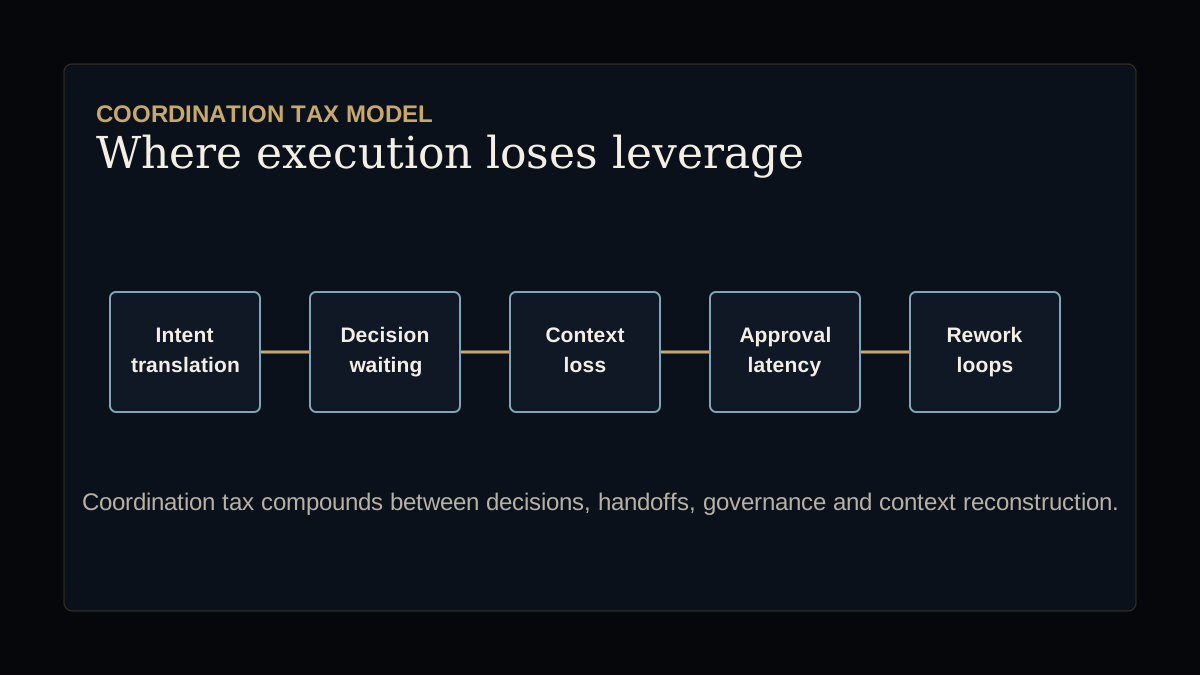
Coordination Tax Model

Shows how handoffs, waiting states, duplicated alignment, and context loss compound into execution drag.

Open SVG
02

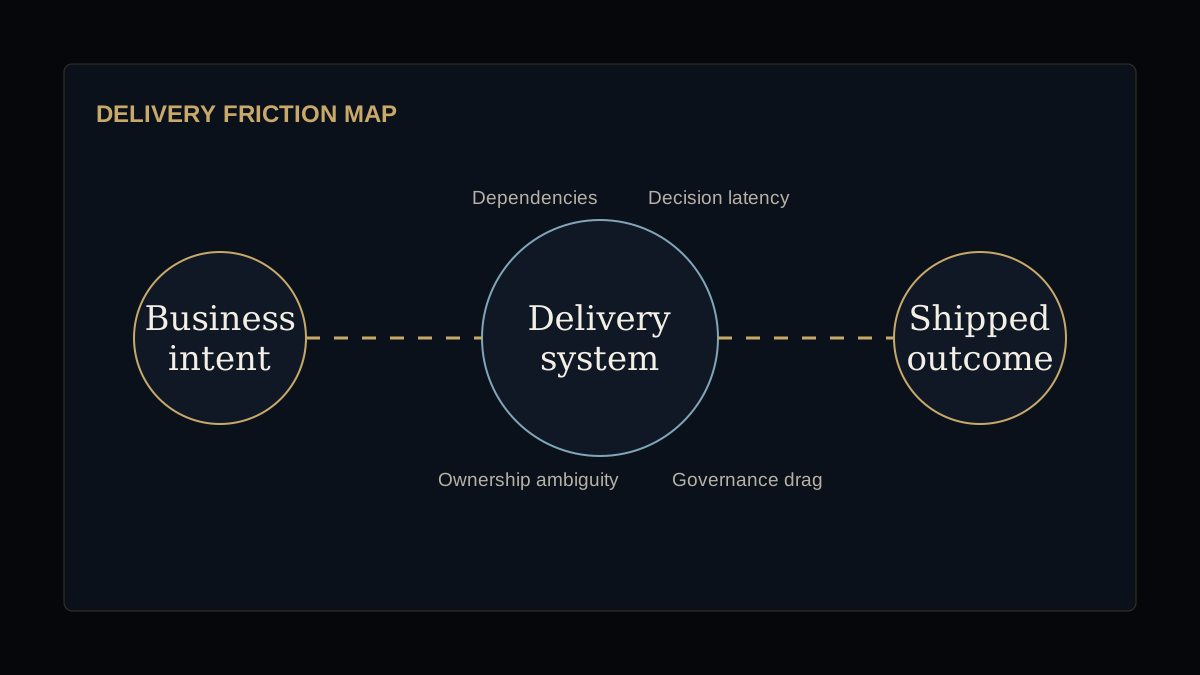
Delivery Friction Map

Maps the structural resistance between business intent and shipped outcomes.

Open SVG
03

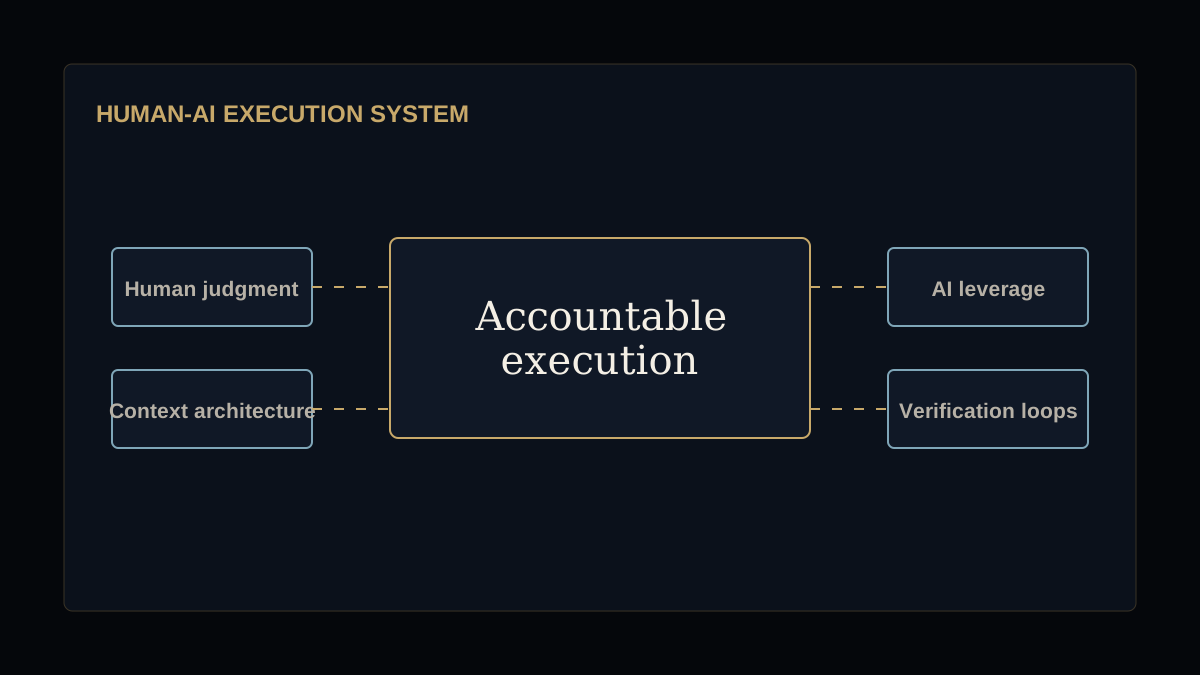
Human-AI Execution System

Defines how expert judgment, AI leverage, verification, and accountability interact.

Open SVG
04

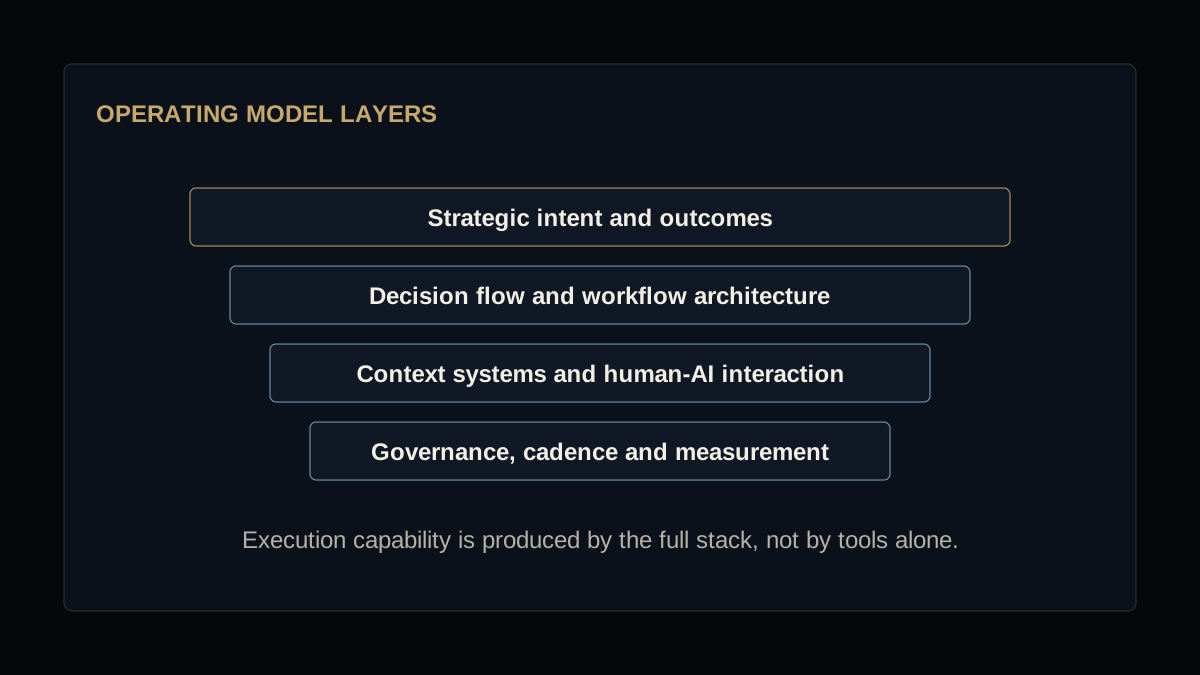
Operating Model Layers

Separates strategy, workflow, context, governance, cadence, and measurement layers.

Open SVG
05

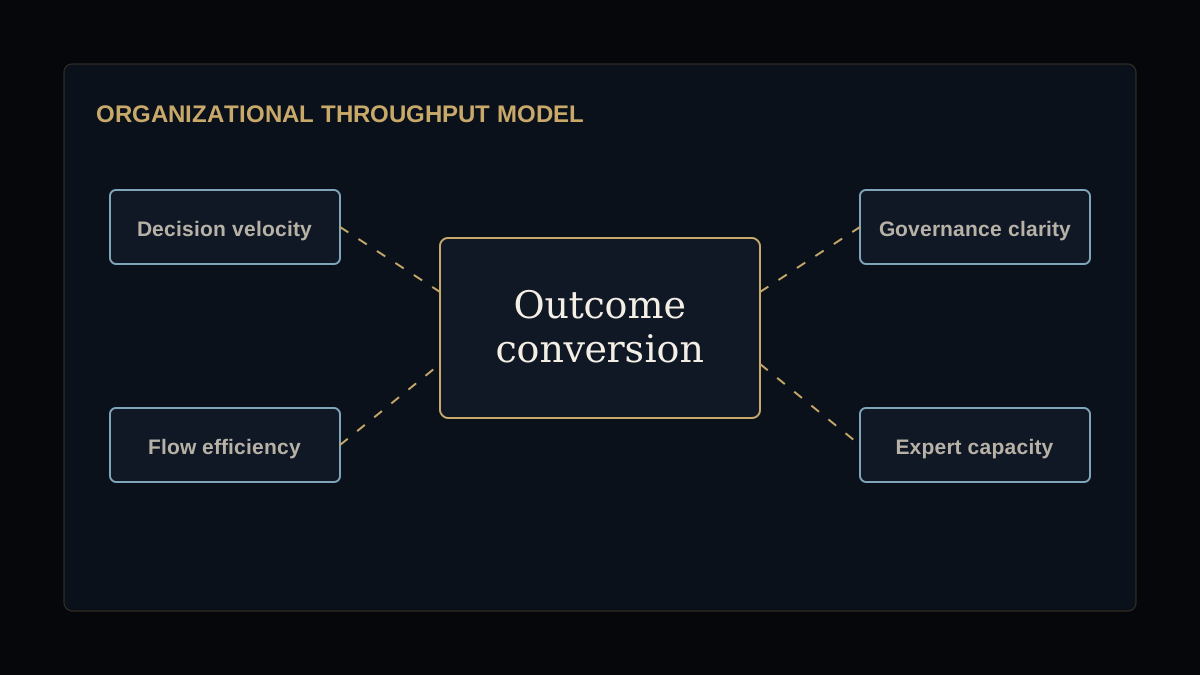
Organizational Throughput Model

Connects decision velocity, delivery flow, governance, and outcome conversion.

Open SVG
06

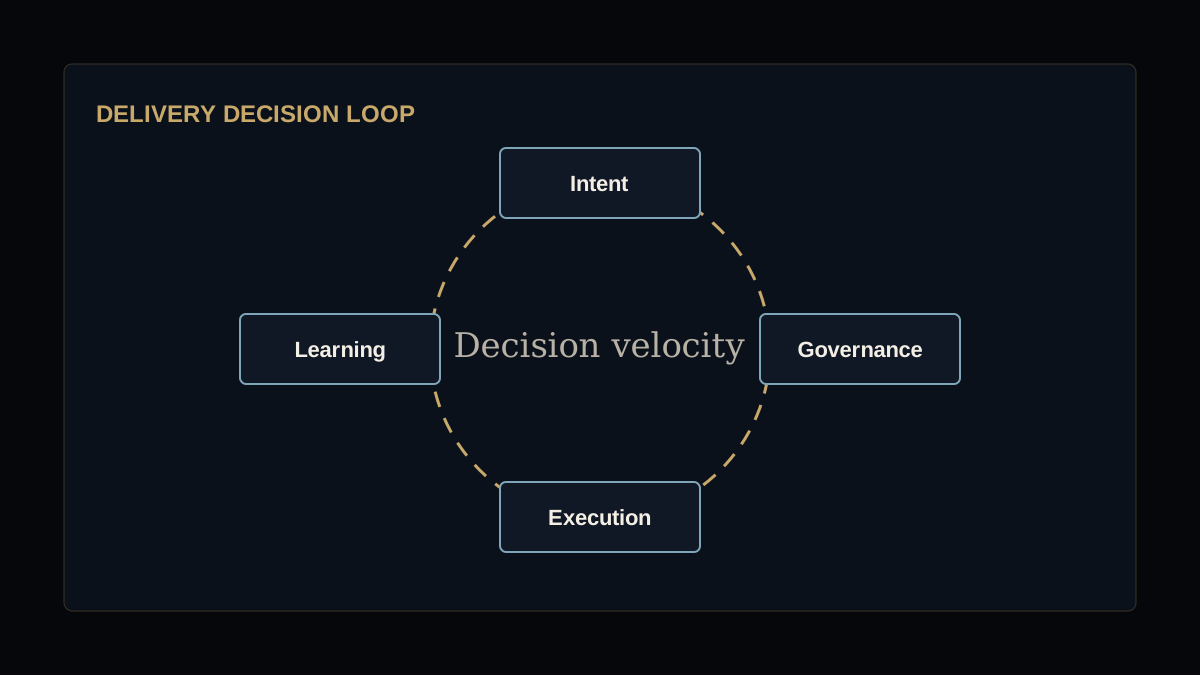
Delivery Decision Loop

Makes visible where consequential decisions slow down or lose context.

Open SVG
07

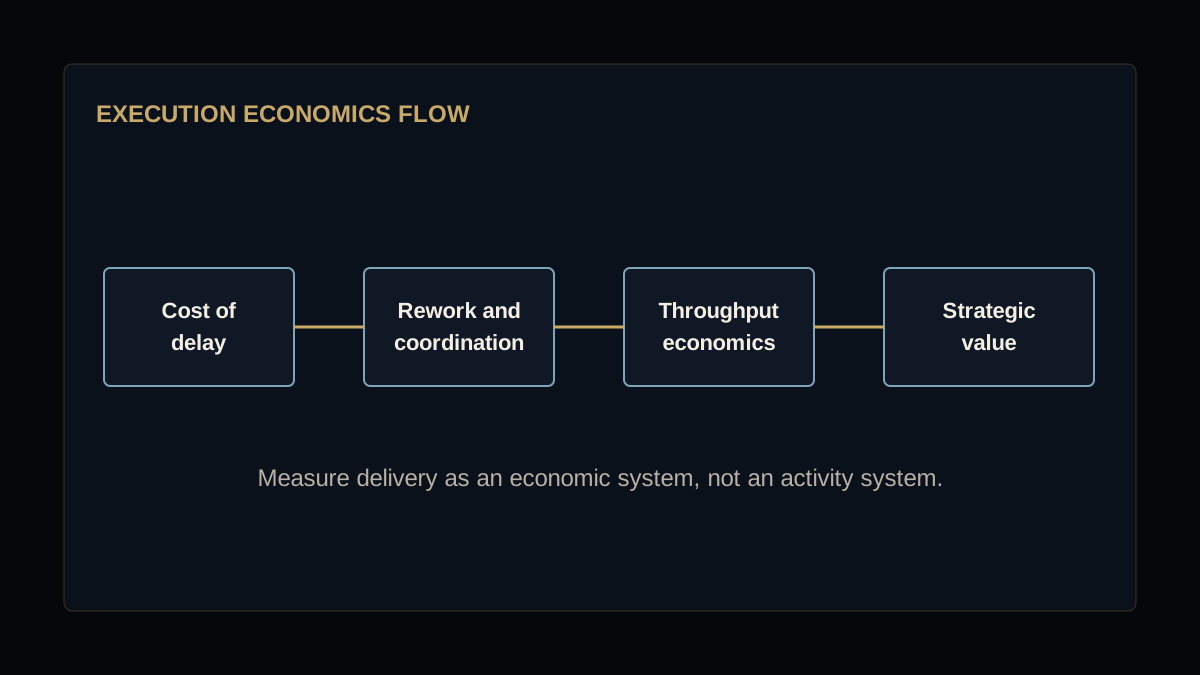
Execution Economics Flow

Links cost of delay, rework, expert capacity, and throughput into one executive view.

Open SVG
08

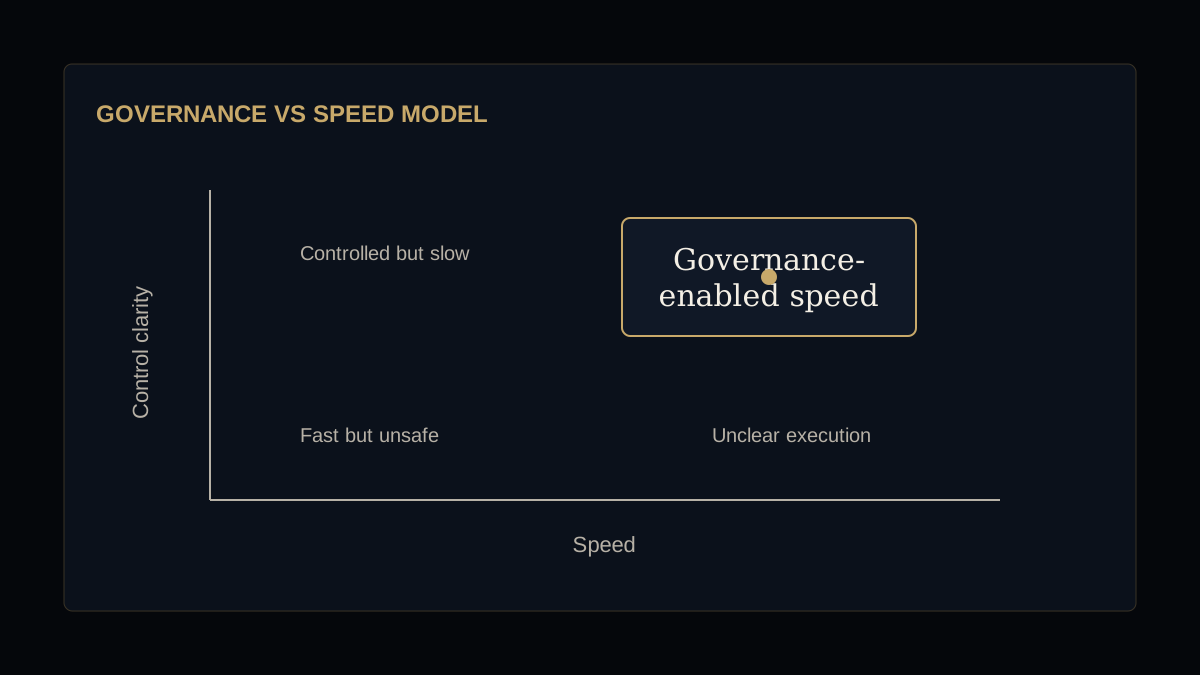
Governance vs Speed Model

Reframes governance as an execution accelerator when decision rights are designed clearly.

Open SVG

Executive diagnostic

Turn the point of view into an assessment.

The Delivery Leverage Diagnostic™ helps leadership teams identify coordination tax, delivery friction, readiness signals, and transformation priorities.